Skip to content

Tropic Marin have recently announced a new product called CarboCalcium that is allows addition of calcium and carbonate in a balanced ratio in a SINGLE PRODUCT.
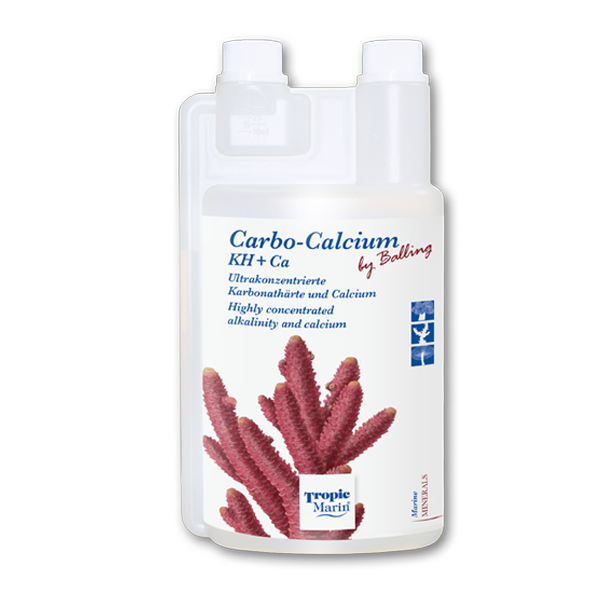
Liquid CarboCalcium

Available in liquid or powder forms (dissolve the powder in reverse osmosis or deionised water to make up a long lasting stock solution) this range of products has the potential to revolutionise the hobby.

Tropic Marin say: "With Tropic Marin® Carbo-Calcium, the total calcium and carbonate hardness needs of a typical reef aquarium can be covered with a single solution, without any additional unwanted compounds or excess carbon dioxide being created.
Minerals are consumed through the growth of organisms and other processes in the aquarium and must therefore be supplemented regularly. These include mainly calcium and carbonate hardness elements for the growth of the calcareous skeletons of stony corals, red coralline algae and other reef organisms. The special co-ordinated components in Tropic Marin® Carbo-Calcium provide excellent care conditions in only a single solution.

Carbocalcium Powder

Tropic Marin® Carbo-Calcium prevents all the side effects of other methods of calcium hardness: the pH remains stable; there is no excess CO2 and there is no risk of unwanted phosphates being introduced through coral breakage. In addition, there is neither a creeping increase in salinity, nor increased oxygen consumption through carbon compounds".

Benefits:
For the first time, the calcium and carbonate supply is possible with only a single solution

Every day, a few ml of highly concentrated solution are enough to cover the entire calcium and carbonate hardness needs
Suitable for all aquarium sizes

No formation of by-products (e.g. sodium chloride); the salinity and the ion balance are not altered

No formation of excess carbon dioxide

Suitable for an aquarium stocked with soft corals, LPS, SPS and/or other filter feeders

Minerals are consumed through the growth of organisms and other processes in the aquarium and must therefore be supplemented regularly. These include mainly calcium and carbonate hardness elements for the growth of the calcareous skeletons of stony corals, red coralline algae and other reef organisms. The special co-ordinated components in Tropic Marin® Carbo-Calcium provide excellent care conditions in only a single solution.

Tropic Marin® Carbo-Calcium prevents all the side effects of other methods of calcium hardness: the pH remains stable; there is no excess CO2 and there is no risk of unwanted phosphates being introduced through coral breakage. In addition, there is neither a creeping increase in salinity, nor increased oxygen consumption through carbon compounds.
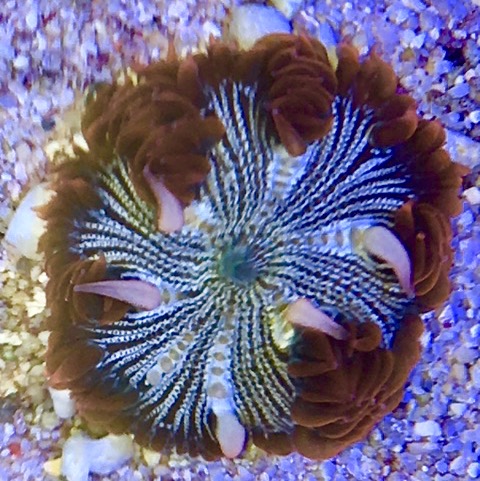
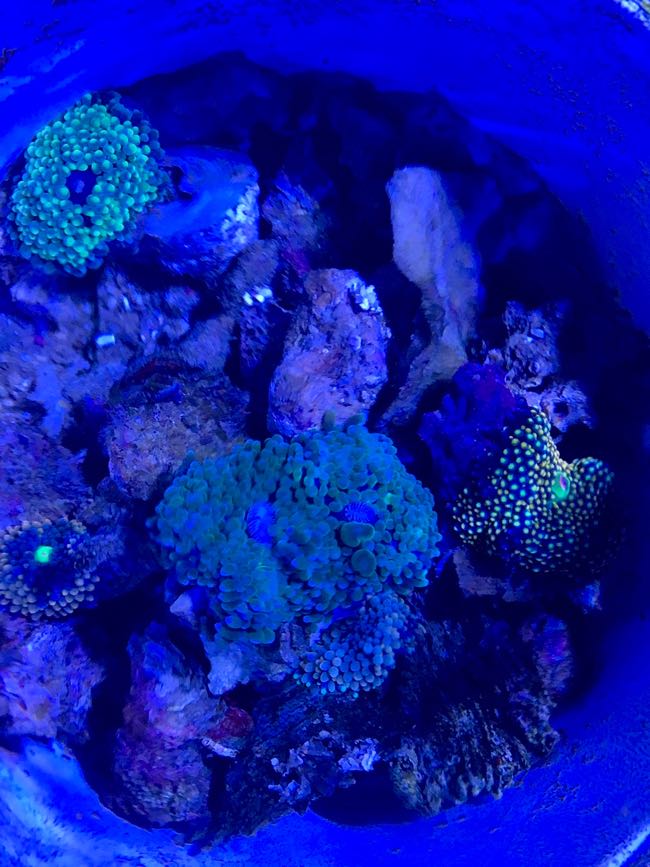


Friday is not usually a marine livestock day for us but due to the collection of some new koi carp in the 27-30cm (10-12") size range we were out and about first thing this morning and decided to call in at our marine wholesaler (we had already visited there on Wednesday morning.

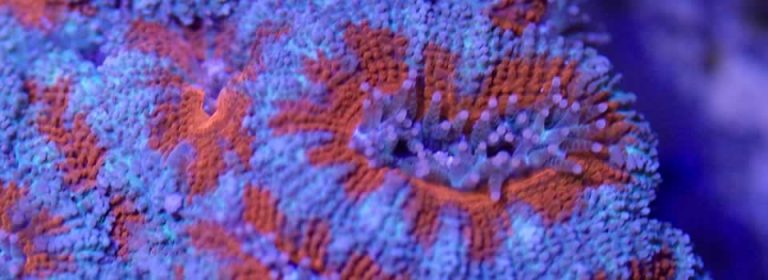
Rock Flower Anemone Epicystis crucifer

The upshot is that we picked out some beautiful Rock Flower Anemones (Epicystis crucifer). These beauties from the tropical Atlantic are surprisingly sturdy and available in a wide variety of colour morphs. We have a couple of more standard colour variations in stock already but the two new ones are simply stunning. The images really don't do them justice!

Ricordea florida


Also there we some of the most colourful Ricordea florida that we have seen in a long time. All in all, it was worthwhile going!

Heliacus sp Sundial Snails

These little beauties are Sundial or Checkerboard snails from the genus Heliacus. Measuring less than 10mm in diameter they are rather beautiful and yet, in the wrong context (i.e. not on the reef but in your aquarium), they can prove to be a nightmare! Arriving as hitchhikers on the very food that they consume with relish Heliacus snails consume Zoanthids (zoas) and their relatives. In this instance they arrived on a colony of Parazoanthus sp yellow button polyps. Sometimes they can be easily seen nestled in and amongst their food but these chaps (from a single rock) needed closer scrutiny before they were spotted. Having said that, they are hardly master of disguise!

Note the operculum (the covering of the shell opening) shape of these snails- it's conical and has pronounced ridges - almost like the whorls of a horn. That's typical for this genus and a handy way of identifying them if you have any doubts about what you are dealing with. Sometimes these snails resist dips and so all new colonies of zoas, palys and their kin should be checked over before stocking into the aquarium.

As we head into another Bank Holiday weekend with the weather forecast looking pretty good we are expecting a shipment of new pond plants; marginals, planted baskets, lilies and oxygenators to arrive just in time for it. We will be topping up our pond fish stocks too- albino grass carp sold out last week so they will be replaced.

Of course, we have a great selection of fish foods in stock- the increase in temperatures has really brought on the appetites of the fish. Now is the time to get some weight on the fish and throughout the summer to give them the reserves they need to get through the winter. We can always advise on the types of food you should be feeding at particular times of year and water temperatures - all with the condition that water quality should remain excellent - don't overfeed!

Oh, and our opening times are as normal 9am-5pm on Bank Holiday Monday.

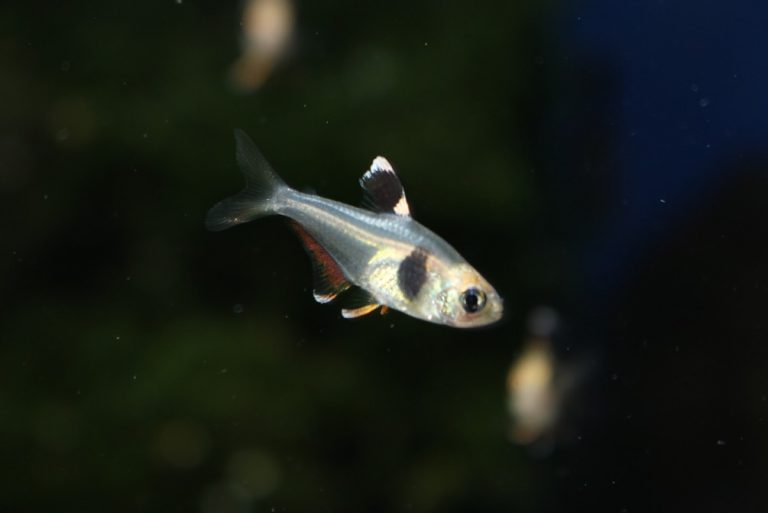
Wednesday 23rd May we are expecting our latest shipment from the Czech Republic. This includes a selection of the usual (yet high quality and hardy) livebearers such as guppies and gold and black mollies which are always a favourite. We are also expecting a selection of South American cichlids including the small yet stunning Nannacara adoteka. Pictures to follow!!


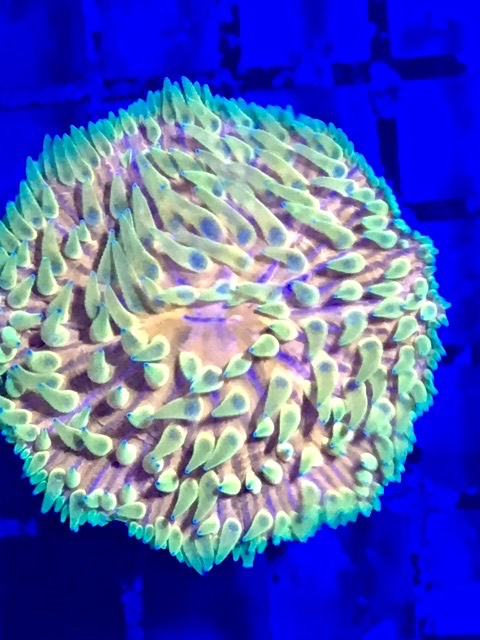
Cycloseris sp. Yellow Tentacle Ultra Plate Coral

As usual we've been off to Manchester to select some fish and corals - in fact it was twice last week but one trip we were just collecting dry goods. Of course, we couldn't resist a quick look around the livestock areas and came across a pretty stunning Coral Sea plate coral specimen (Cycloseris sp) with some unique colouration. Unfortunately, the pics we took don't do it justice. It's not cheap - £95 - but its utterly beautiful! (And we haven't played with the colours at all - this is a standard pic taken on an iPhone!)


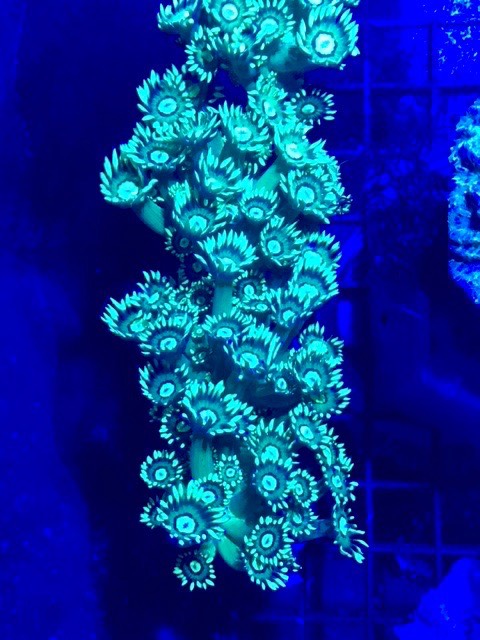
Gonipora sp. Ultra Green Frags

Also particularly pretty are these ultra Goniopora frags. £16.50 each!